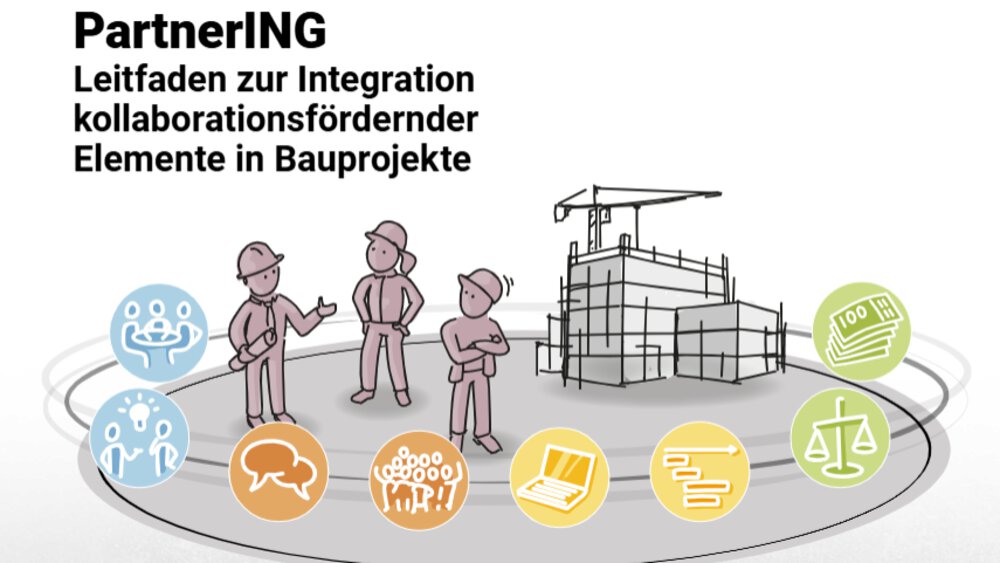

Research Project PartnerING: Collaboration in Conventional Construction Projects

The implementation of construction projects is often complex and associated with numerous challenges. Separate contractual arrangements, multiple interfaces, and differing interests among stakeholders frequently lead to communication problems and conflicts. If comprehensive requirements planning or effective risk management is lacking, even minor disruptions in the construction process can have major consequences: rising costs, schedule delays, and a loss of trust between project partners.
Although obligations to cooperate are legally established—for example through the VOB/B and rulings of the German Federal Court of Justice (BGH)—coordinated collaboration among the parties often fails in practice. Alternative project delivery models such as Partnering or Integrated Project Delivery (IPD) address these weaknesses through systemic changes. However, their implementation requires structural conditions that are still not widely established in the German construction industry.
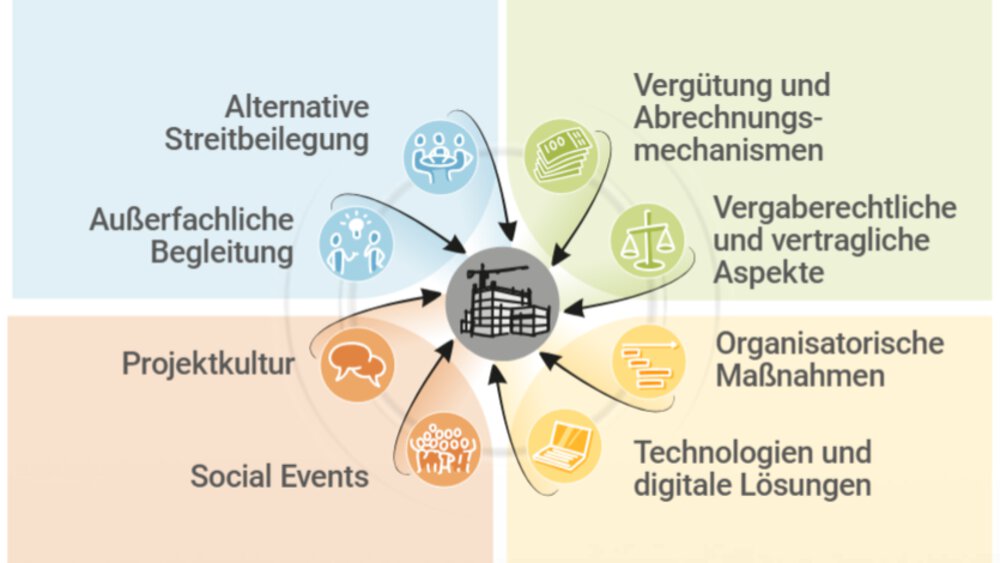
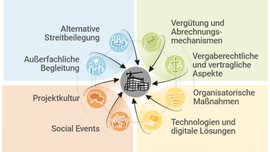
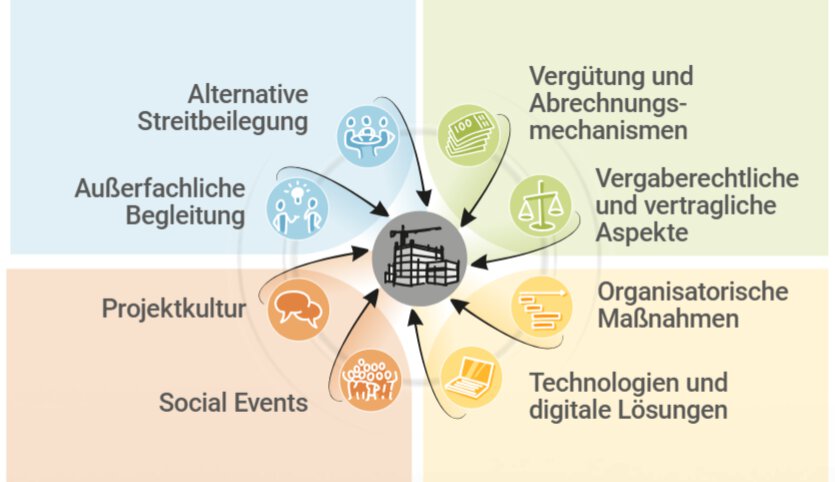
62 Partnership Elements in Four Fields of Action
The PartnerING research project conducted by TU Braunschweig, Institute of Construction Management and Engineering, examined whether and under what conditions individual collaboration-enhancing elements from alternative project delivery models can be transferred to conventional construction projects—without requiring a complete change of the delivery model. The project was structured into four work packages. It was based on a systematic literature review to identify partnership elements and an online survey involving 424 construction professionals. The findings were subsequently validated in two expert workshops with the involvement of legal expertise. Over the course of the research process, 62 partnership elements were identified and inductively grouped into four fields of action. Selected examples from these fields of action are described below.
The Fields of Action
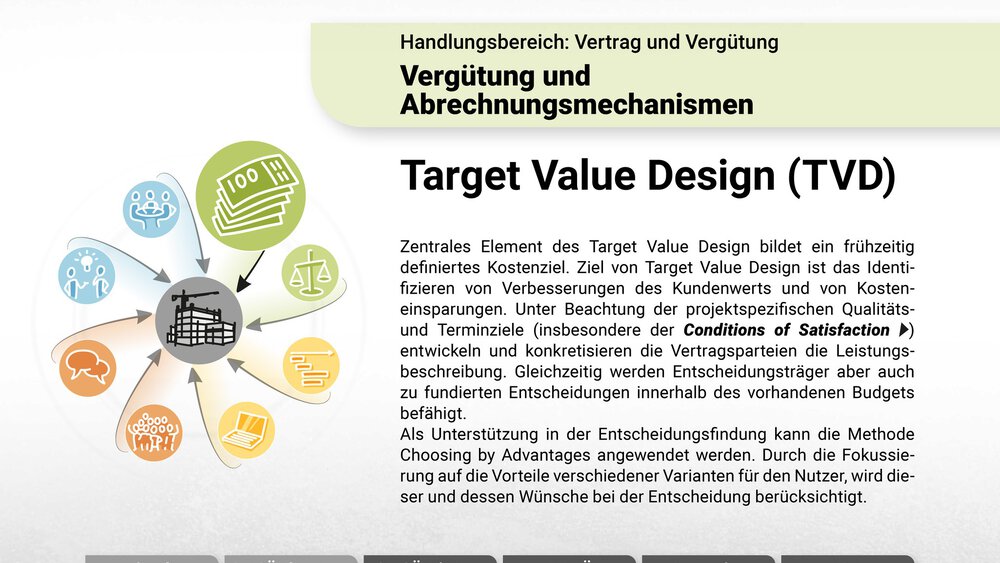
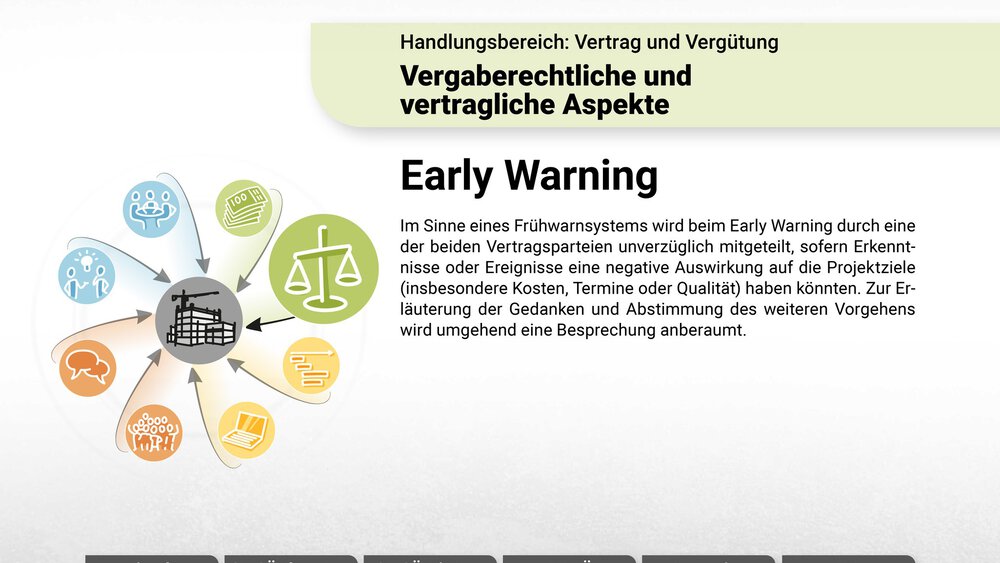
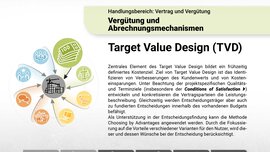
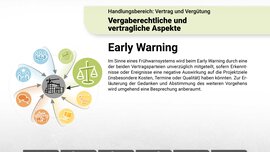
Contract and Remuneration—Contract design can create incentives for collaborative behavior, yet conventional delivery models rarely do so in a targeted manner. Incentive-based remuneration models align the interests of clients and contractors with shared project objectives. Price escalation clauses allocate market risks according to objective criteria. Qualitative award criteria make it possible to consider not only price but also aspects such as risk management and willingness to cooperate in the selection process.
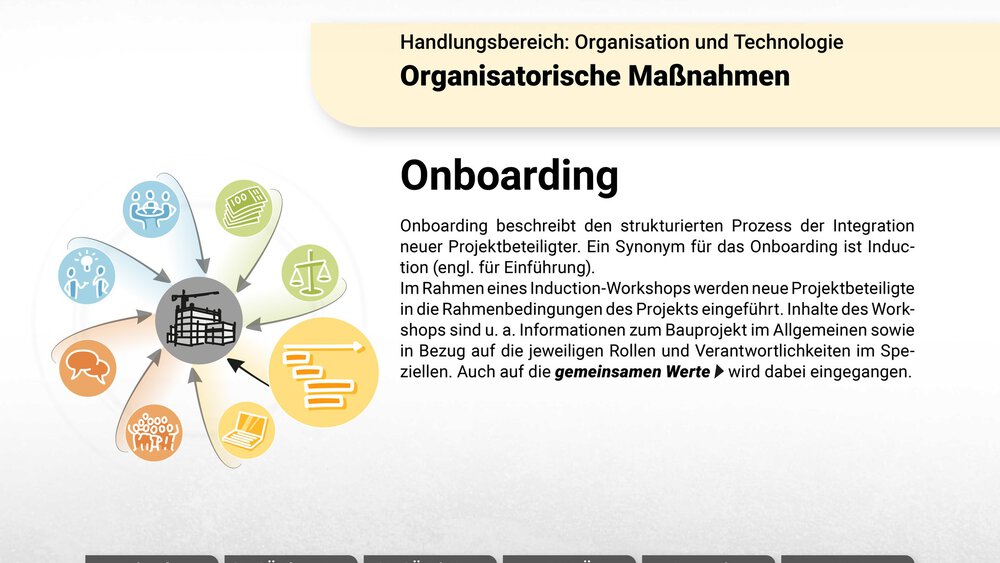
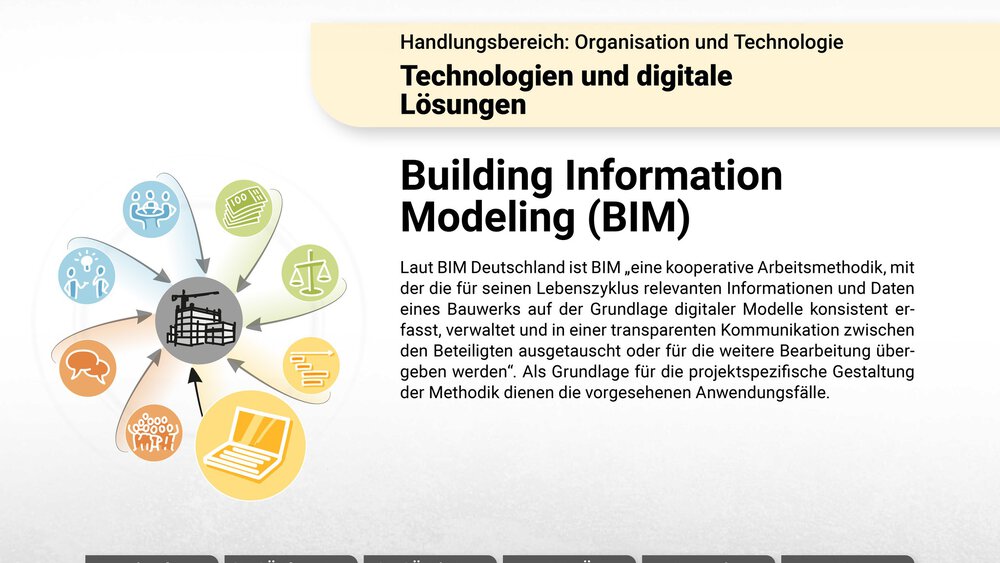
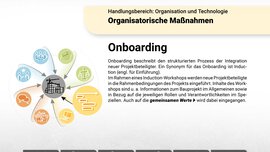
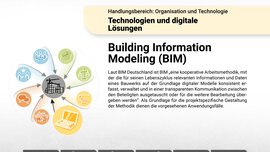
Organization and Technology—At the organizational level, Early Contractor Involvement enables the early integration of construction expertise into the planning phase. Joint controlling creates transparency regarding costs and project status for all parties involved. Building Information Modeling (BIM) improves communication at interfaces and provides a shared, transparent basis for decision-making.
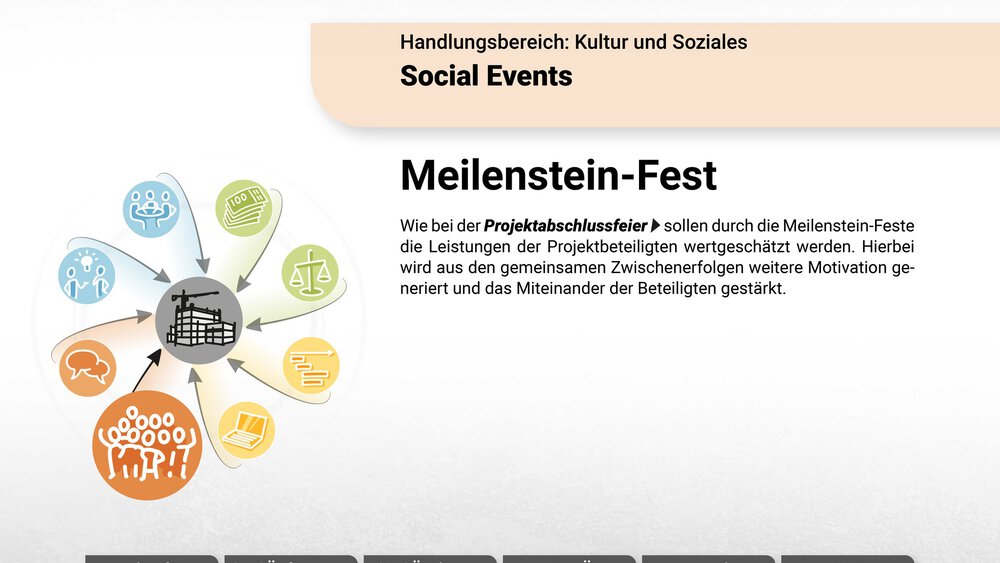
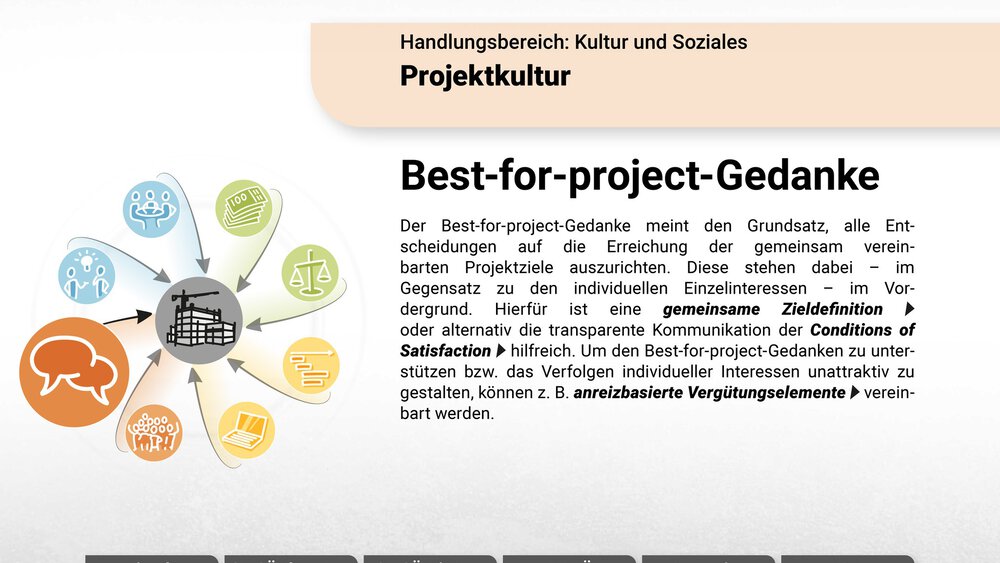
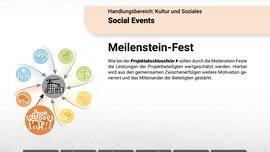
Culture and Social Aspects—In the survey, this field of action was rated as having the greatest potential to promote collaboration. Respondents identified trust and open communication as key prerequisites for effective cooperation, although these effects can also be supported by partnership elements from the other fields of action. At the operational level, relevant elements include a project kick-off at the start, a lived feedback culture, team-building measures, and personnel continuity in key positions.
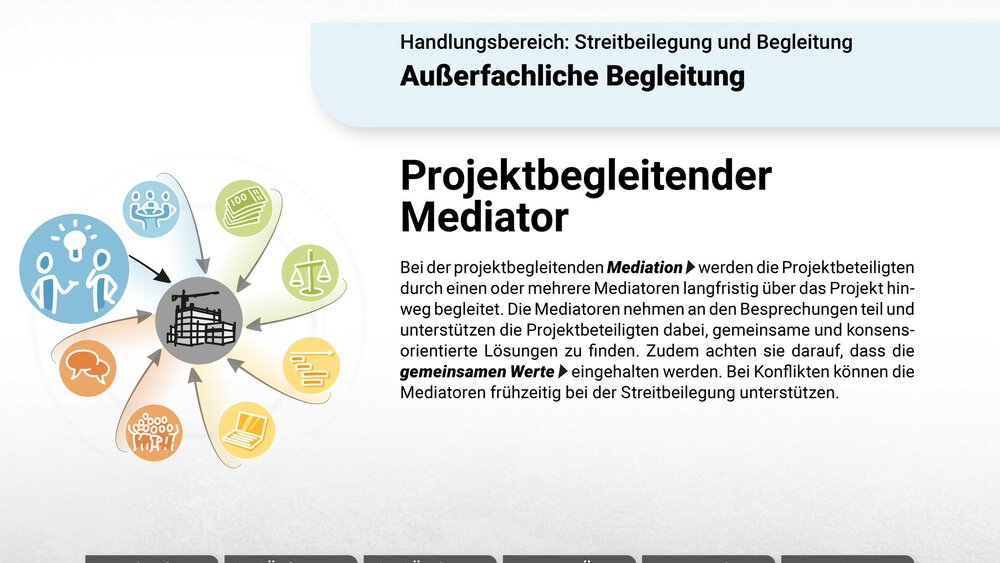
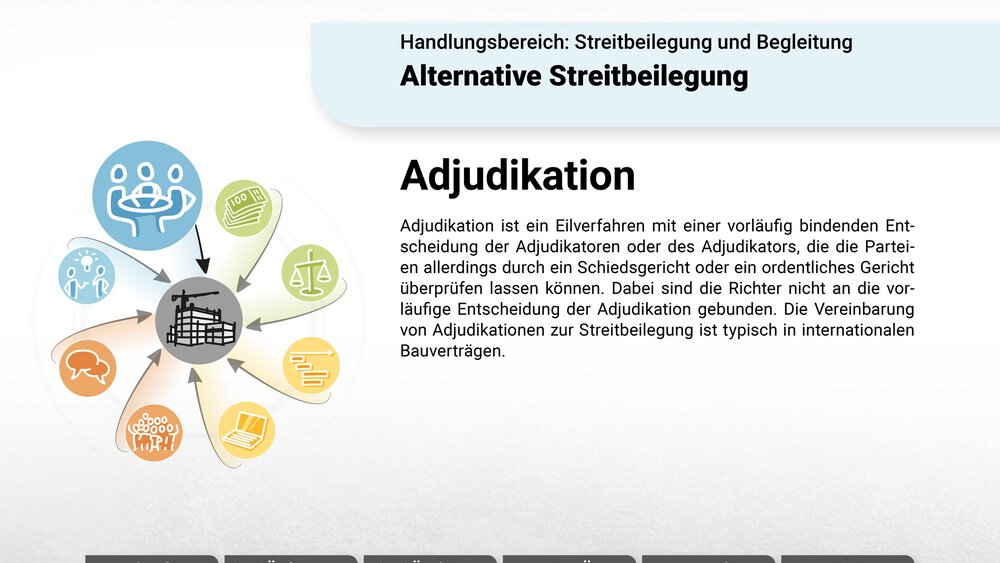
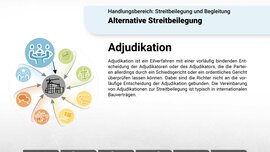
Dispute Resolution and Support—The de-escalation pyramid describes a staged approach that prioritizes project-level solutions and considers litigation only as a last resort. Adjudication, mediation, and the involvement of a project-accompanying neutral enable faster and more cost-efficient conflict resolution than court proceedings.
Applicability in Practice
The results show that most partnership elements can, in principle, also be applied in conventionally delivered projects—regardless of whether they follow individual contracting, general contractor, or design-and-build models. However, a schematic transfer is not effective; implementation requires a project-specific selection that takes into account project size, risk structure, and the existing competencies of the parties involved.
The guideline developed within the project assigns the partnership elements to the respective delivery models and outlines prerequisites, boundary conditions, and required non-technical competencies. Clients, planners, project managers, and contractors can use it as a basis for identifying and agreeing on suitable elements already during contract drafting and project preparation.
The PartnerING research project conducted by TU Braunschweig, Institute of Construction Management and Engineering, was funded under the Zukunft Bau research programm. The guideline is publicly available.