


From Digital Model to Built Reality: Shenzhen Science & Technology Museum

A museum as an interface between digital design and built reality: The Shenzhen Science & Technology Museum demonstrates how BIM, simulation, and robotic fabrication are redefining architecture. A project that consistently translates digital precision into built form.
Center for knowledge, research, and networking
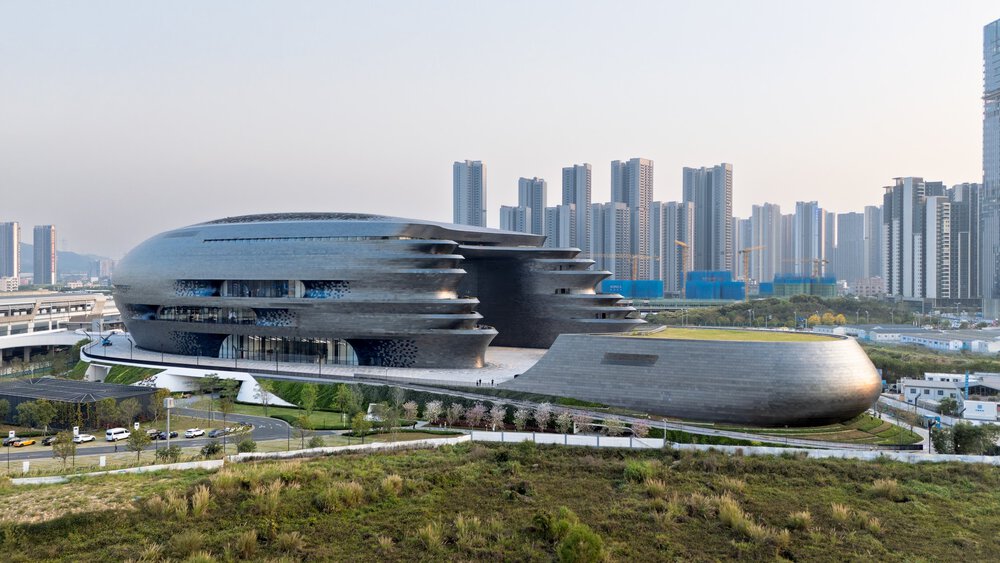
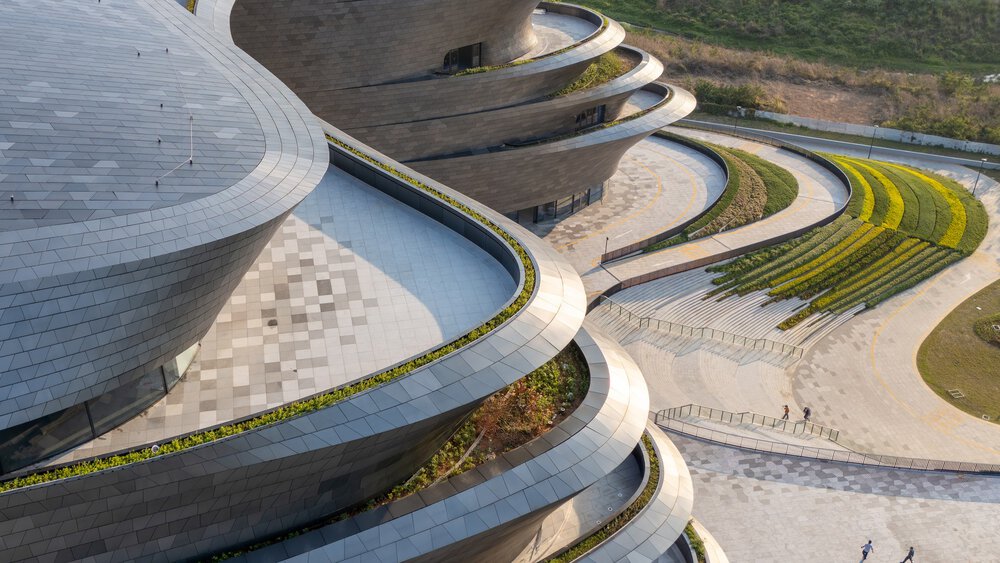
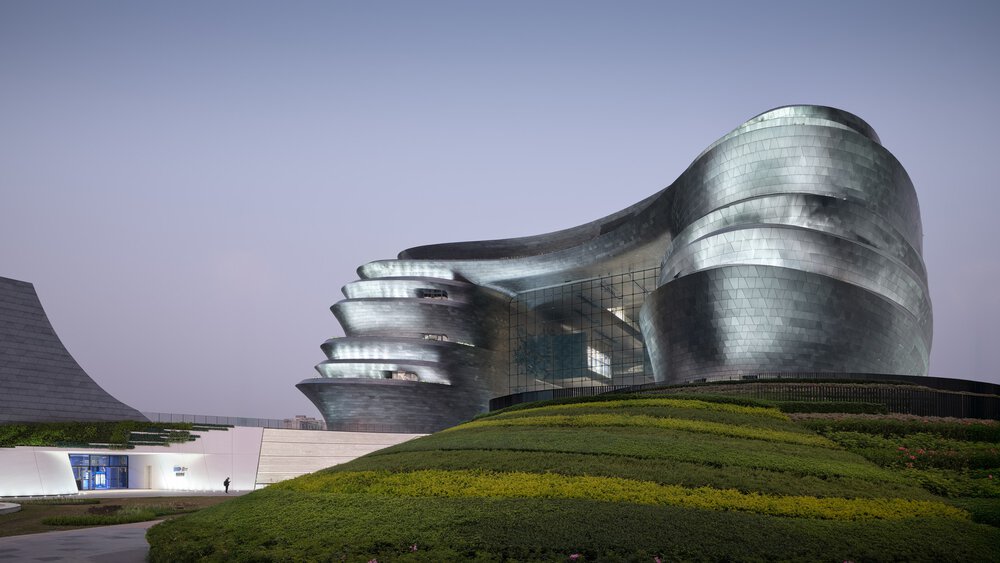
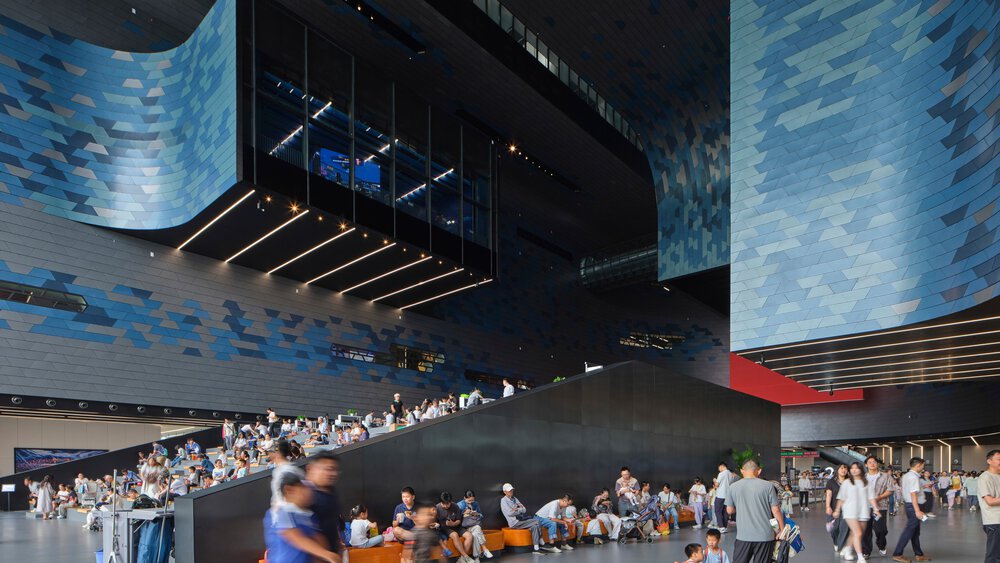
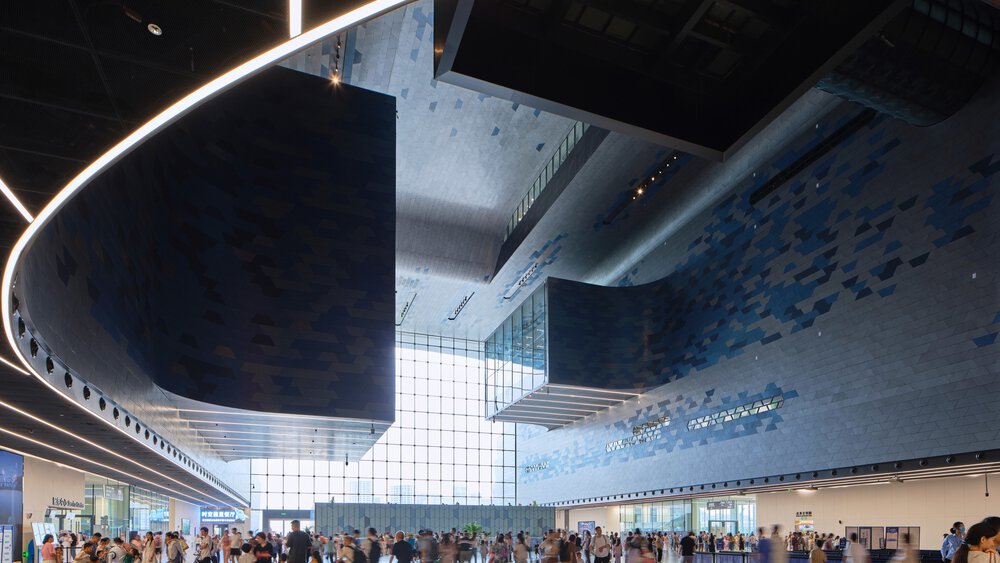
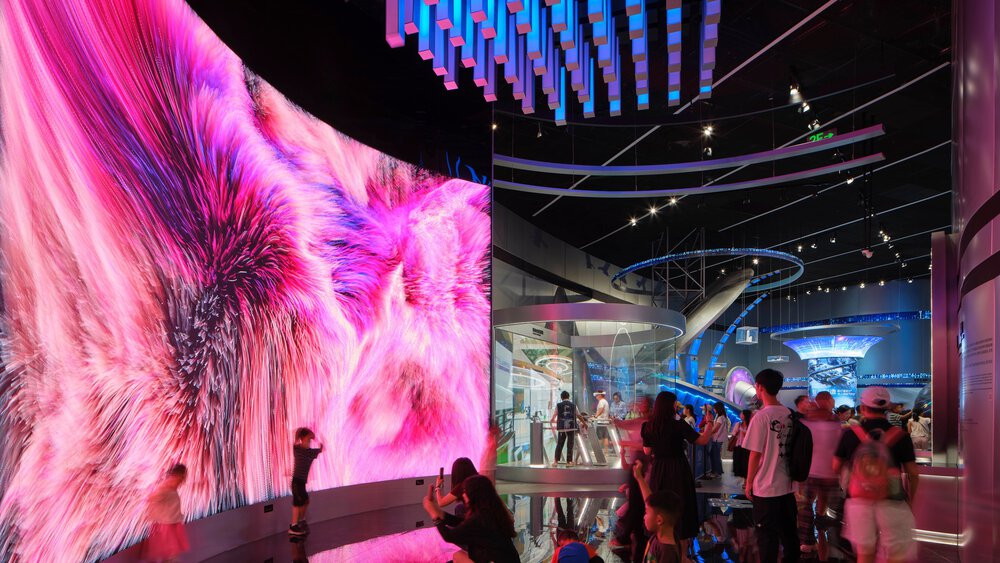
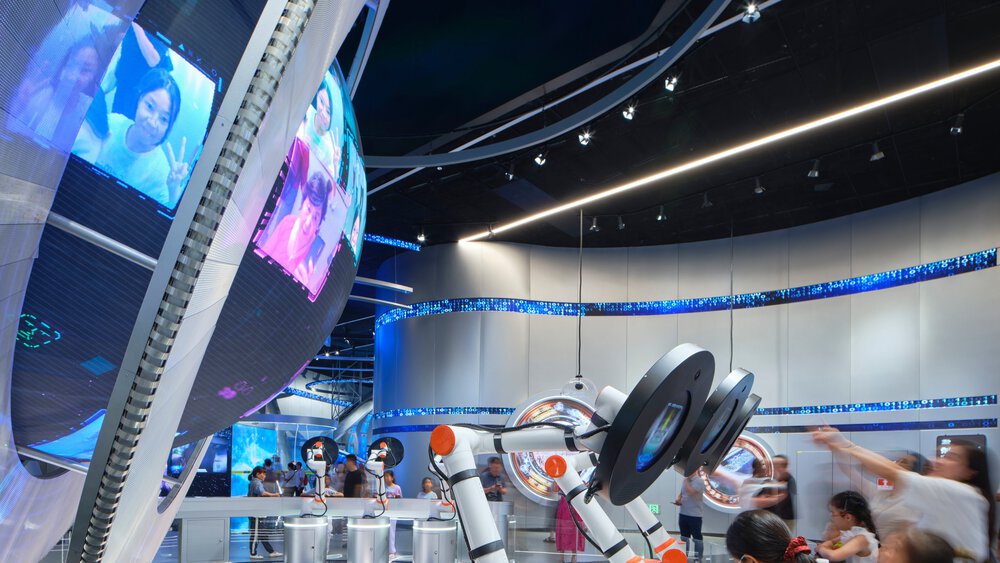
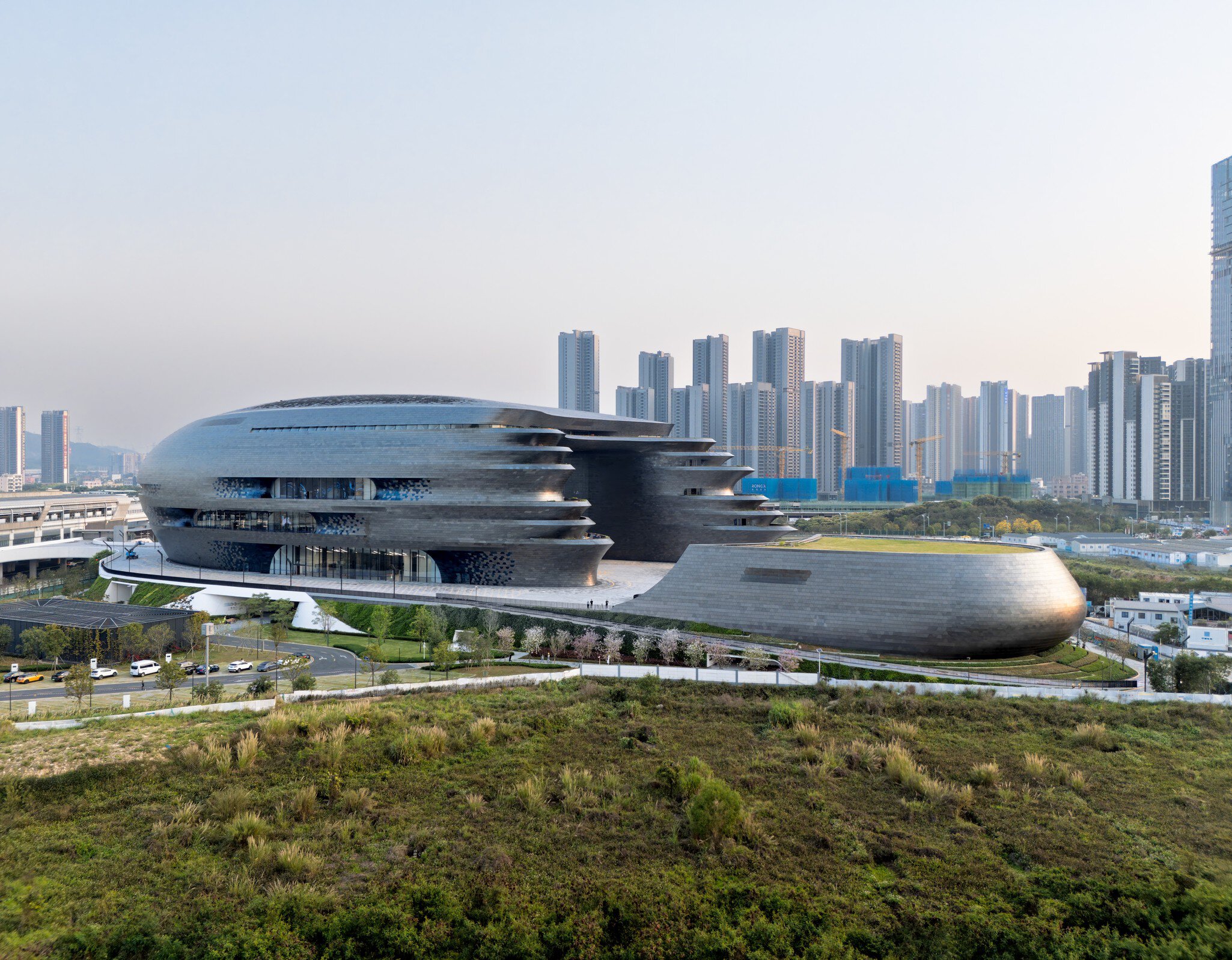
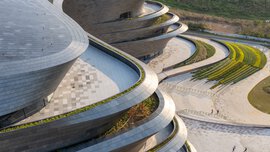
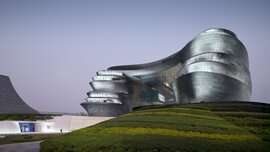
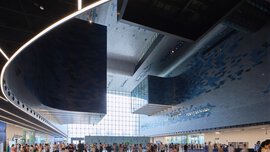
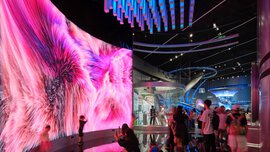
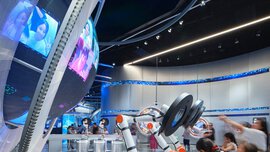
Designed by Zaha Hadid Architects, the Shenzhen Science & Technology Museum is conceived as a central hub for knowledge and innovation in the newly developing Guangming District. Located in close proximity to the metro station and serving as a link between the city and the science park, the building functions as an urban hinge. As a major attraction in the Greater Bay Area, it is also part of a regional network of technology companies, universities, and research institutions. The compact building facing the city establishes a clear urban anchor point, while the park-facing structure unfolds into a sequence of terraces and accessible levels. These interweave exhibition spaces, social areas, and landscape while simultaneously serving as a functional extension of the interior spaces organized around the atrium.
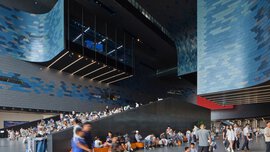
The internal organization follows this approach: the central atrium acts as a spatial orientation system, from which galleries, theaters, research, and educational areas emerge. Its large glazed facade toward the park deliberately blurs the boundary between interior and exterior and forms the starting point for visitor circulation. The resulting formal and functional complexity is not a decorative device, but a prerequisite for a design process that has relied on digital precision and process integration from the outset.
BIM as a design and decision-making tool
Already in the design phase, BIM was employed as a unifying work tool, bringing together international design teams and local partners within a shared digital model. Different software environments, design approaches, and disciplines were coordinated within a consistent data model. This allowed spatial dependencies, structural constraints, and programmatic requirements to be assessed early on. In parallel, computer-based environmental and climate simulations were used to optimize the building’s form, orientation, terracing, and facade composition with respect to sunlight, wind, humidity, and the thermal comfort of the subtropical site.
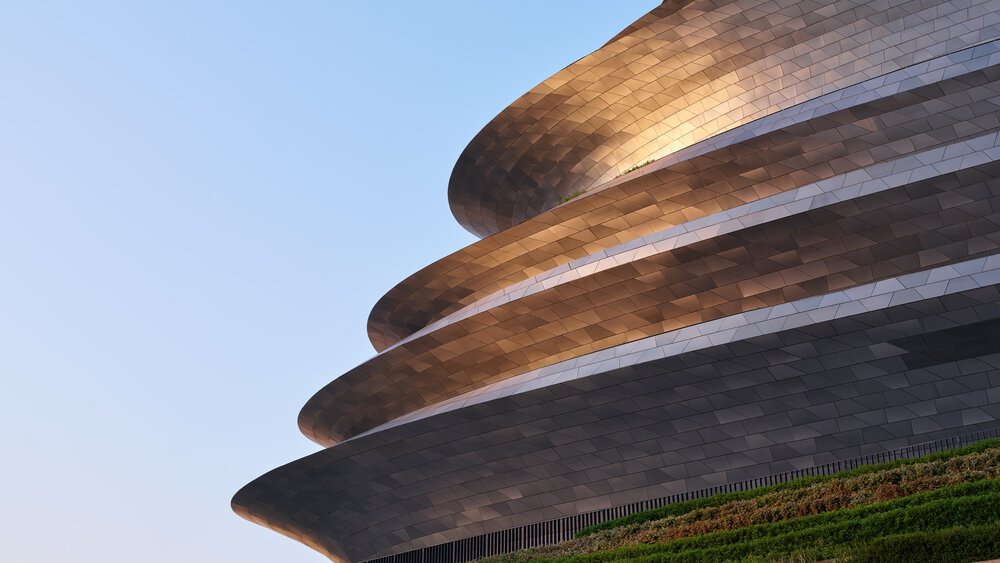
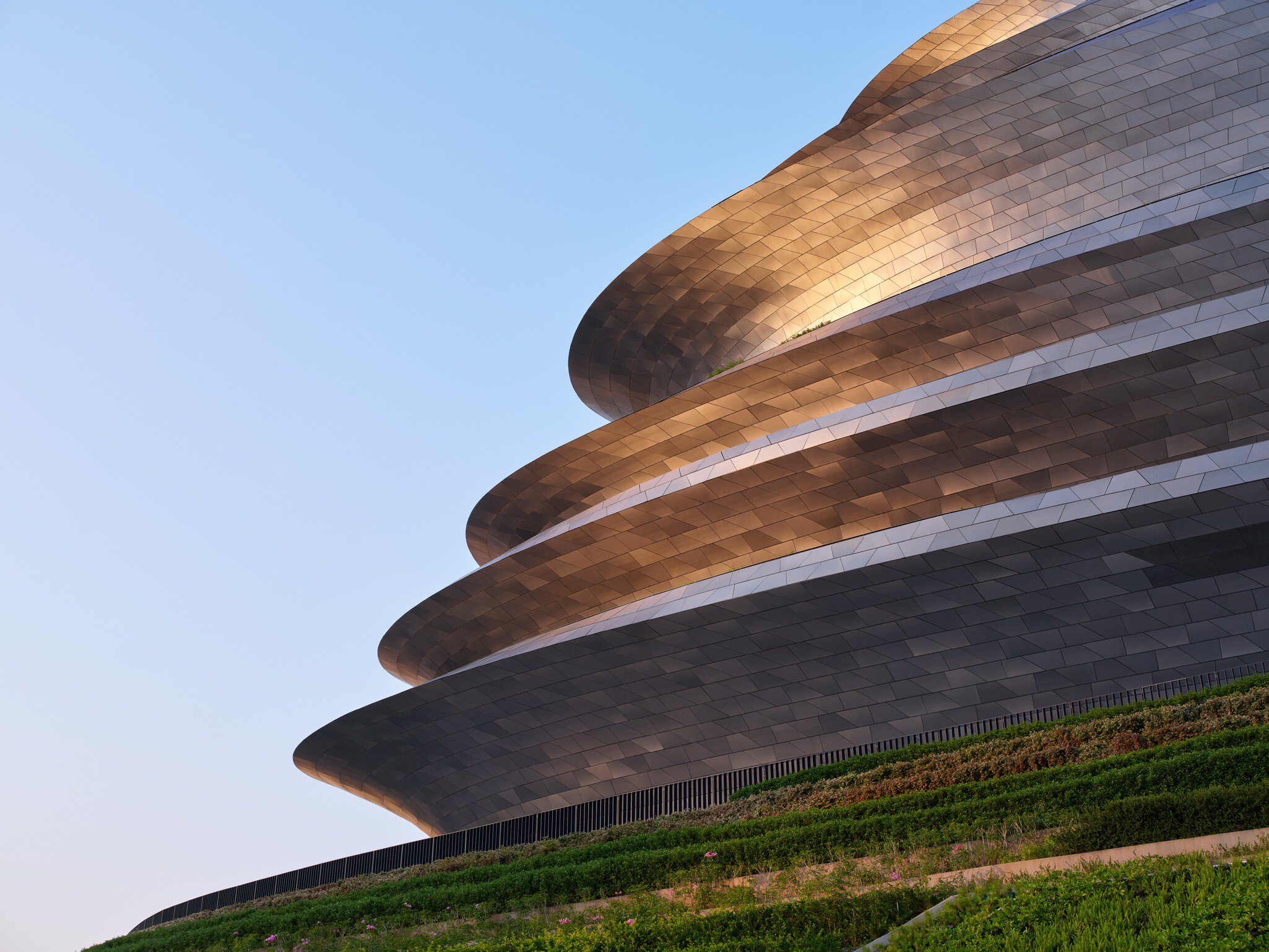
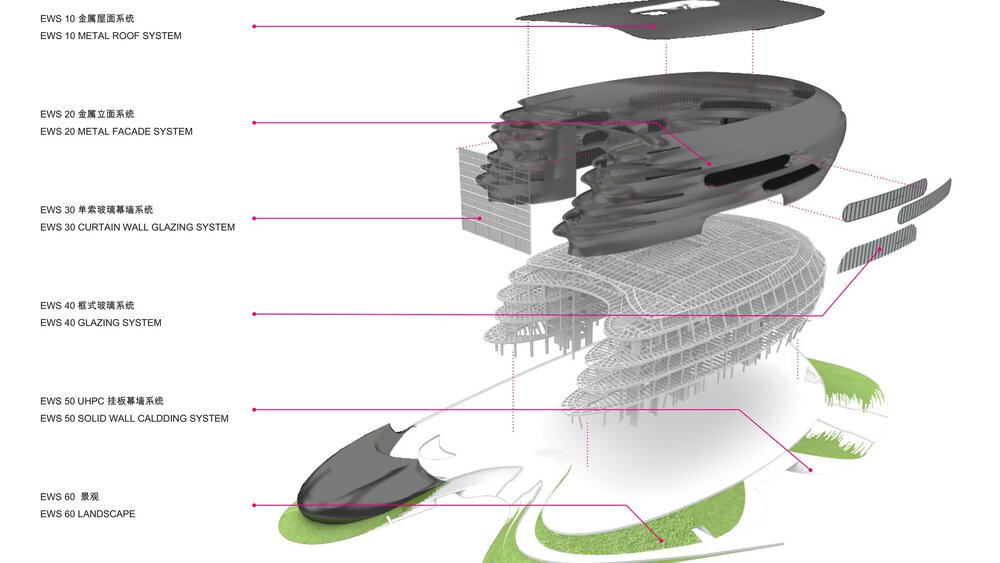
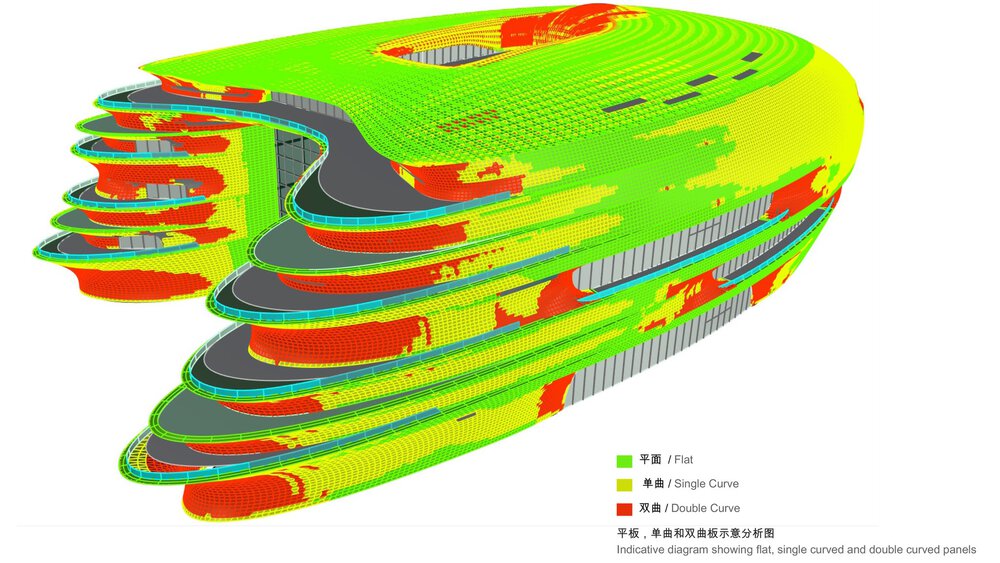
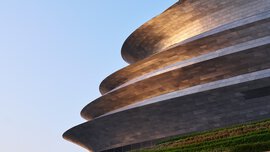
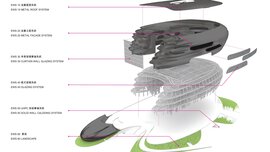
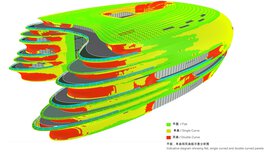
This approach was instrumental in developing the building envelope, which consists of more than 90,000 individually shaped stainless steel panels. Their geometry, curvature, and arrangement were parametrically analyzed and optimized within the BIM model. The digital model served as a decision-making tool, allowing design and construction variants to be compared in terms of form, structure, fabrication effort, construction time, and cost. Design decisions could thus be linked early to their constructional consequences and adjusted accordingly. At the same time, BIM supported the standardization of complex custom solutions. Recurring component families, panel types, and connection details were derived from the overall geometry and translated into rule-based systems. This created a constructive order within the highly differentiated architecture, significantly simplifying industrial fabrication, quality assurance, and logistical processes. The BIM model thus functioned not as a downstream planning tool but as an operational medium for translating architectural intentions into buildable systems.
Digital twin and construction process
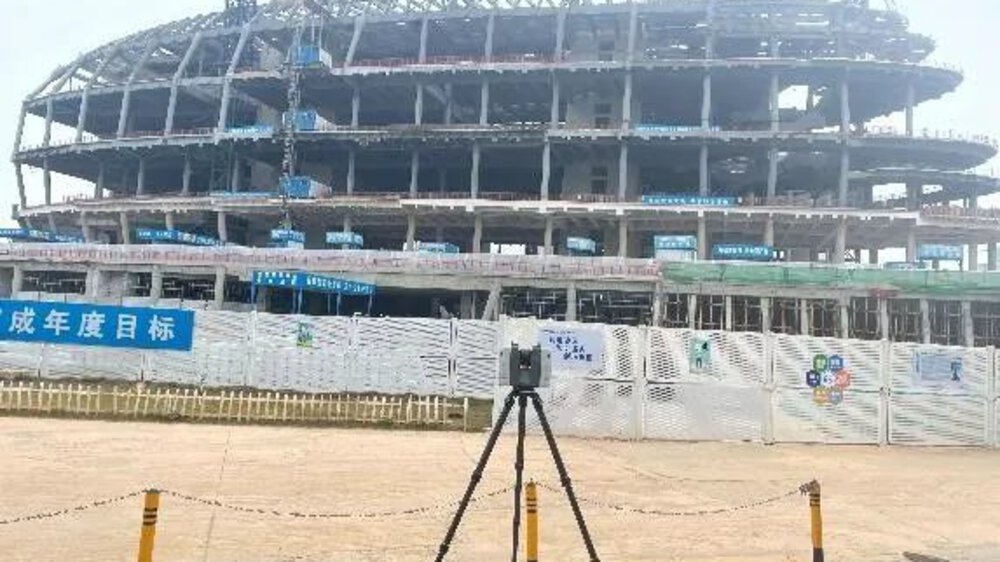
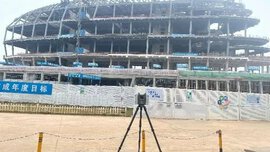
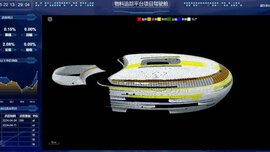
During the construction phase, the digital model was consistently developed into a digital twin. The museum’s steel structure was captured using 3D scanning and integrated as a point cloud into the existing BIM system. A network of defined control points allowed continuous comparison between the digital model and actual construction progress, enabling early detection and management of geometric deviations. The digital twin thus served for operational control of geometry, tolerances, and assembly sequences and formed the basis for the precise realization of the complex free-form architecture.
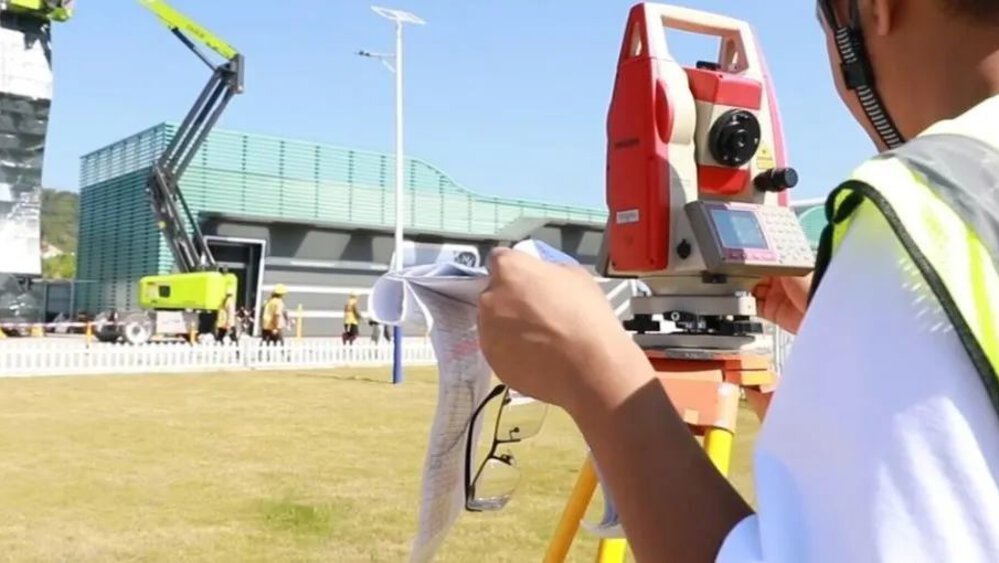
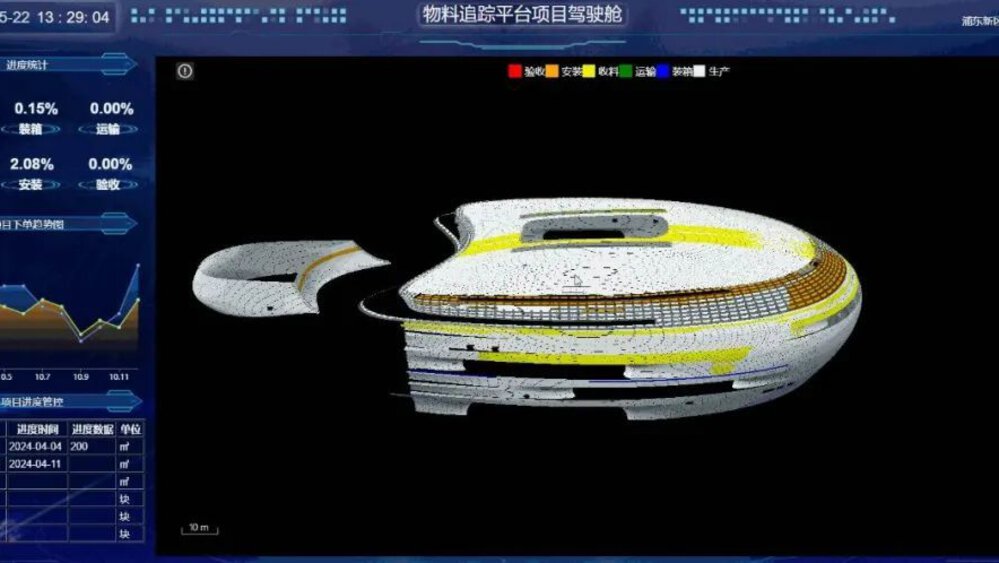
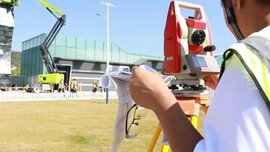
On this basis, robotic surveying and positioning systems were employed to transfer installation points directly from the digital model to the construction site. In addition, robotic multi-point forming processes were used to fabricate the curved facade elements with high precision. Combined with RFID-based material tracking, this created an end-to-end system in which design, fabrication, and construction were synchronized. This allowed the complex architectural form to be realized with spatial clarity without compromising the underlying design intent due to construction constraints.
Project data
Client: The Bureau of Public Works of Shenzhen Municipality
User: The Shenzhen Association for Science and Technology
Design: Zaha Hadid Architects (ZHA)
in cooperation with Beijing Institute of Architectural Design Co. Ltd. (BIAD)